
Harappa → Rediscovery
Civilizations timelines
Meet early world civilizations and India’s long arc — Indus Valley, Egypt, Rome, Greece, Maurya–Gupta, the Mughals, and languages from oral tradition to Indic IT.


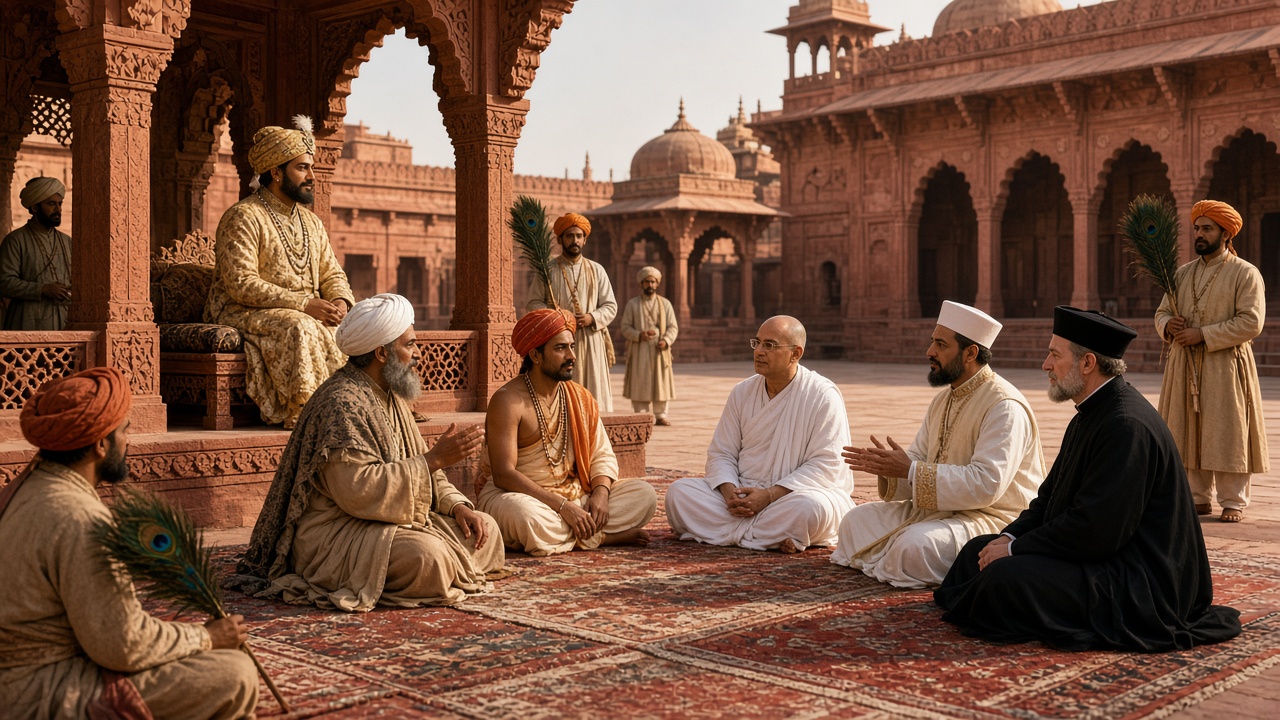
Category introduction
Meet early world civilizations and India’s long arc — Indus Valley, Egypt, Rome, Greece, Maurya–Gupta, the Mughals, and languages from oral tradition to Indic IT.
Featured timelines
Start here if you want the highest-signal stories in Civilizations.
Featured 1
Indus Valley: Harappa to Rediscovery
Mehrgarh farmers to Harappa and Mohenjo-daro, the Great Bath, seals, Meluhha trade, decline, and the 1924 rediscovery.
Explore timeline
Featured 2
Maurya–Gupta India: Magadha to Classical Age
Magadha and Chandragupta to Ashoka’s edicts, Gupta courts, Ajanta, and the classical age.
Explore timeline
Featured 3
Mughal Empire: Babur to 1857
Babur at Panipat to Sher Shah, Akbar’s court, the Taj Mahal and Red Fort, Aurangzeb’s Deccan wars, Nader Shah, and the end in 1857.
Explore timelineAll Civilizations timelines
Complete listing for this category. Use search or sort above to narrow the list.
World ancient civilizations
Indus cities, Egypt on the Nile, Rome’s empire, and Greek city-states.
India’s imperial & language arc
Maurya–Gupta India, the Mughal centuries, and languages from oral to Indic IT.
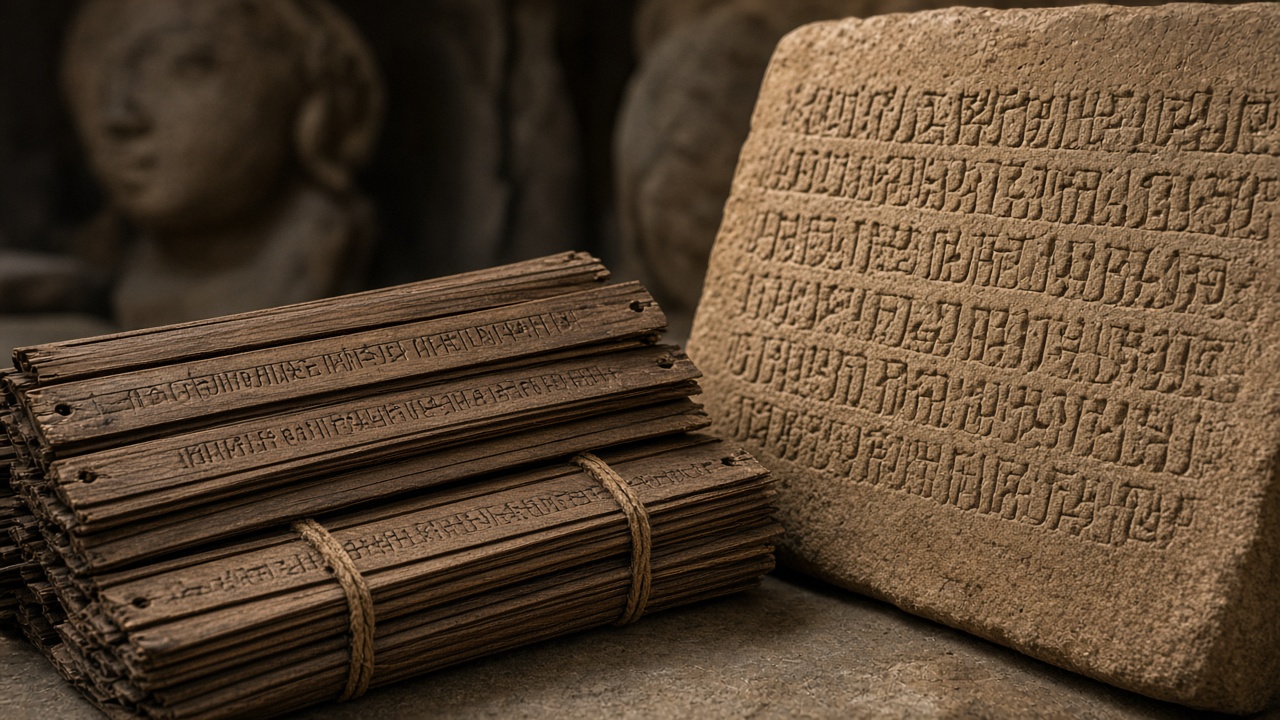
No timelines match that filter. Clear the search box to see the full list.
Related articles & reading
Multi-timeline features and nearby category picks that pair well with Civilizations.
Global vs India: Parallel Timelines
Side-by-side paths where world history and India meet.
Feature storyIndian Inventions & Innovations
Ideas and breakthroughs that traveled from India to the world.
Feature story100 Objects That Changed India
A curated set of everyday and nation-shaping objects across eras.
From World HistoryIndustrial Revolution: 1760 to Today
India’s handlooms and the first steam engines to cotton mills, railways, steel, electricity, the assembly line, robots, and Industry 4.0.
From IndiaConstitution & Democracy
Colonial assemblies to the Constituent Assembly, the 1950 Constitution, elections, EVMs, and digital democracy.